Dozen Meters
The project this week is quite interesting. Instead of talking about leadership metrics of sorts we are focusing on tool and meters around our house (in my case limited to a hotel room I have resided in the last 2 days in London). We were to focus on what these meters measure as well as what metric units and scales are used to represent the measurements in. Lastly, the scope of the projects requires reflection on personal use of these meters and meaning or impact they have in our own lives.
The 12 things I found around the room are pictured here.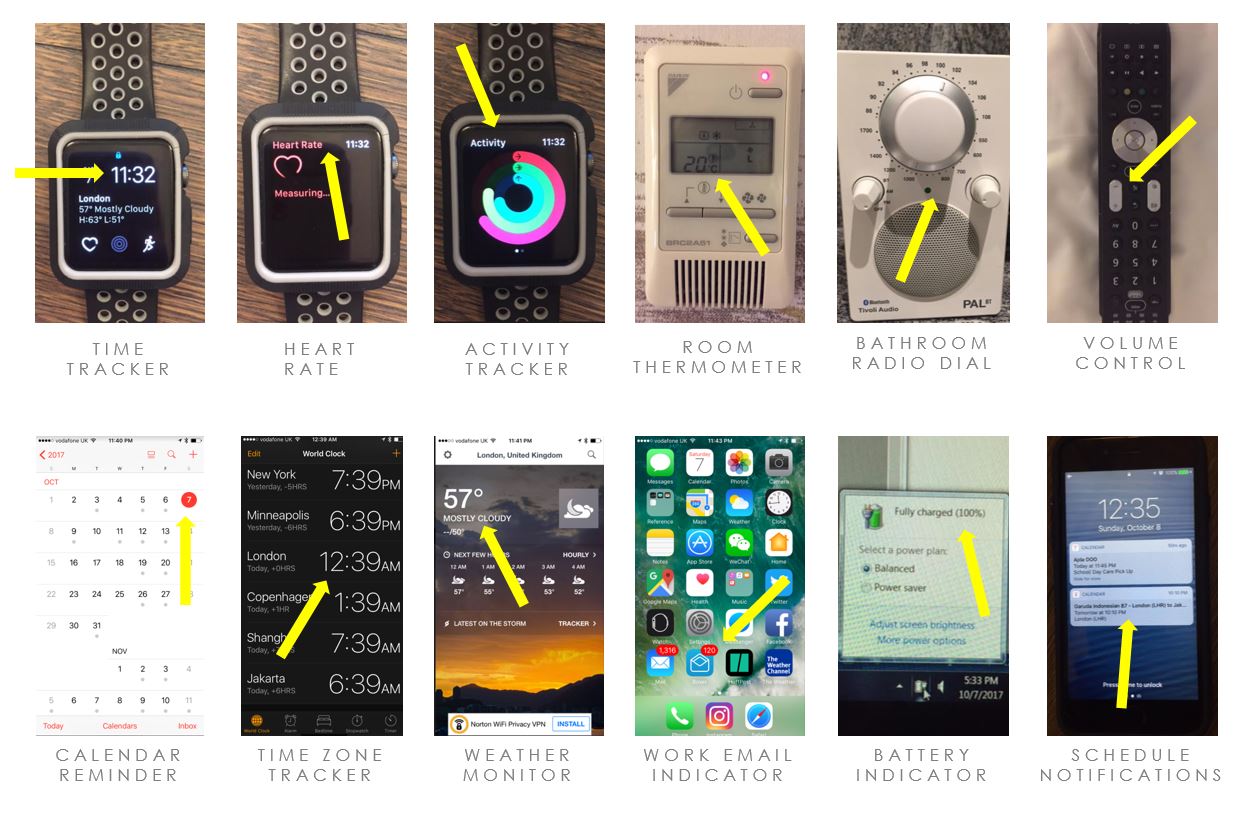
I focused on showcasing 4 of these meters or indicators and how they apply to my daily life.
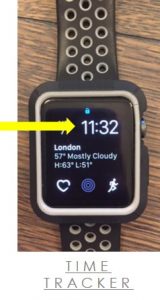 My watch helps me measure time of the day. Time is broken down into hours and minutes. Each hour and minute serves like a little reminders and milestones signaling where I should be at a given time of the day. As well as what I should be doing at each point of time. For example during the work week I need to be at work from 8am to 5 pm and I have a given amount of time to run to meetings and complete projects on any given day. In the evening of every day I leave work by 5pm pick up my kids from school and go home to prepare and eat a family meal. This is the time I spend on personal fulfillment, winding down and recharging my batteries. Later in the night the time helps me come to a stopping point and going to bed.
As I reflect on my day and time, I am able to access speed of my progress when working on projects or when traveling distances (from home to work). Time tracking literally keeps me on track. It signals when I need to slow down or speed up. If it’s taking me too long to get something done I may choose to find a different time slot or date to complete the given project with more vigor and energy. Time is also is a good measurement of how long it takes me to complete a certain effort so I have an arbitrary measure to go off of for the future.
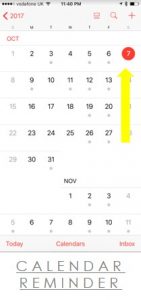 Calendar for me represents a large scope time management system. At a high level I can glance at moths or individual dates and see what each day or week have on schedule. There is a little dot under each date that represents booked events on the schedule. The empty dates without dots represent free time. This quick visual gives me a sense of control knowing when I have to be in high gear and when I can just relax.
The calendar shows me a few sets of dates. Work days are mainly focused on work, errands and school related activities (mine and my children’s). The other set of dates show me weekends and holidays that are indicative of family time, vacation for fun and relaxation.
Calendar for me also provides a great tool to look into the future and be able to have some control of what happens and when it happens. It helps me plan my time accordingly in order to maintain life work balance. I use calendar to schedule everything from time to rest or go out on a date with my husband, to scheduling time to travel. On the other hand I use calendar to build in time slots for work or school related projects. I use my previous knowledge of time commitment such as how long it takes me to do homework, or answer work emails each day. I then use that knowledge to guesstimate what activities I can accomplish each day.
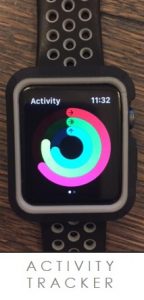 As my life is pretty crazy and busy I try to keep track of my physical activity in order to ensure I am not sitting 24/7 and am getting a healthy dose of exercise. While for the most part exercise for me means taking 30 minutes per day to walk away from my desk and do a walking status with a mentor or colleague. Some of the walking happens during those scheduled walking statuses, and some of it happens when I hit the wall and need a break. If possible I go out for a cup of coffee or just a breeze walk to clear my mind.
This happens when I am overly stressed and need to process for example what happened in a meeting. I make sure I get some solitude. It helps me calm down, rest my mind to focus on big picture which then helps me consider my reaction and go forward plan before having to return to work or situation I just walked away from.
The activity reminder also serves as a gauge to be mindful, meditate and take a deep breath even a few times a day. Without these little gadgets and reminders I would probably just keep going until it’s too late and I crash physically and emotionally. Having my watch break down activity levels helps me ensure I take breaks and work on my energy levels.
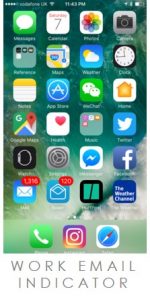 Work email count Indicator is not a good meter. However it is a very important meter in my daily life. As most of my day is spent at work the number of emails indicate how busy my day will be. As I work with people all around the globe, email represents the main form of communication.
At a glance I can take into account total number of emails I wake up to (usually sent to me overnight while I sleep in US, sent by partners who are either 6-7 or 12-13 hours ahead). I am able to approximate the breakdown of what inputs and outputs are needed for the email follow ups.
For example I can confidently say that about 20-25% of emails are probably junk email and/ or not pertinent to my job. However I still have to scan them just to ensure I don’t miss something that is important. That takes about 30 minutes of my day.
About 25% of emails are things that are FYI only and I can defer those emails as references for a later time, this also takes about 30 minutes per day.
Another chunk consist of 25% -35% of emails that I can pass onto others. I am able to delegate responsibility to other team members or experts knowing they will complete any necessary outputs driven by the email contents. This takes about 30-60 minutes of my day.
Lastly, 15%-20% of emails are VIP emails that are require my full attention, follow through on actionable steps and shape up the time I spend during rest of my day at work.